Source Portable Folded Eco Friendly Flannel Blanket for Travel, Home, Hotel
Compare 30 listings of portable folded eco friendly flannel blanket options from verified suppliers. Buyers can evaluate materials like polyester and cotton, customization features, and usage scenarios including travel, home, and hospital settings; compare the available evidence and request quotations based on your requirements.
Key considerations
Products List


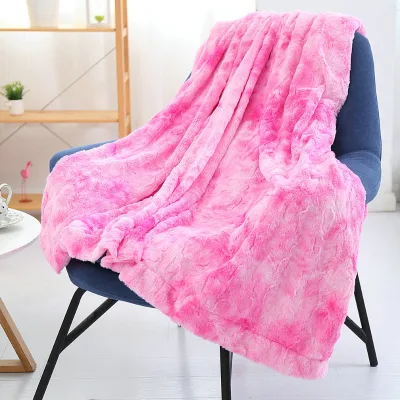


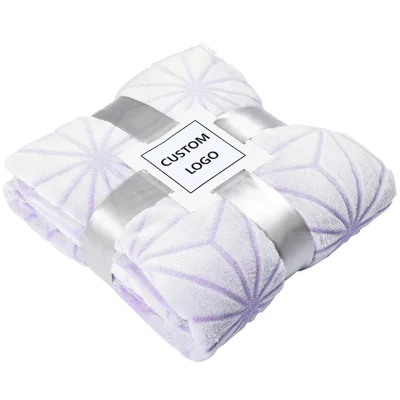

Comprehensive Sourcing Guide
Portable Folded Eco Friendly Flannel Blanket Sourcing Guide
Sourcing portable, folded blankets requires balancing material sustainability with functional durability for diverse travel and hospitality environments. Buyers must evaluate whether the product meets specific eco-friendly criteria, such as recycled content or low-impact dyes, while ensuring the folded design remains compact for storage. The observed market includes items made from polyester, cotton, and blended fibers, each offering distinct advantages in weight, warmth, and care requirements. Understanding these material differences is critical for selecting the right product for your target audience, whether they are frequent travelers, outdoor enthusiasts, or hospitality guests seeking comfort.
Procurement decisions should also consider the manufacturing origin and customization capabilities, as these factors influence lead times and brand alignment. Many suppliers in regions like Zhejiang, China, offer extensive customization options, including printing patterns and specific packaging requests, which can enhance brand visibility. However, buyers must verify that these customizations do not compromise the structural integrity of the fold or the softness of the fabric. It is essential to request samples to assess the tactile quality and the effectiveness of the folding mechanism, ensuring the final product delivers on both aesthetic and functional promises.
Product Scope and Observed Listing Signals
The current market landscape for portable blankets includes a wide variety of materials, from 100% polyester to cotton and blended fabrics, catering to different seasonal needs. Listings indicate that products are often designed for spring, autumn, and winter use, with features like anti-pilling and portability being key selling points. The observed price range of $0.10 to $25.31 USD reflects significant variation in quality, size, and customization levels, with higher prices typically associated with premium materials like cotton or complex printing patterns. Buyers should analyze these price points against the specified material composition to determine the true value proposition of each supplier offering.
Minimum Order Quantities (MOQs) vary widely, ranging from as low as one unit for sampling up to 2,000 units for bulk production, with some suppliers setting specific thresholds like 500 units for certain models. This flexibility allows buyers to start with small test orders before committing to larger volumes, reducing initial risk. Additionally, the observed usage scenarios include travel, home, hospital, airplane, hotel, and picnic settings, indicating a broad applicability. Buyers should match these usage contexts with the specific features of the blanket, such as its weight, foldability, and ease of cleaning, to ensure the product meets the practical needs of its end-users.
Technical Specifications to Verify
When evaluating technical specifications, buyers must prioritize the material composition and knitting or weaving method, as these determine the blanket’s durability and comfort. Observed listings highlight materials such as polyester, cotton, and blended fibers, with knitting methods including stitch knitting and machine weaving. It is crucial to verify that the selected material aligns with the desired eco-friendly claims, such as the use of recycled polyester or organic cotton. Additionally, the size specifications, ranging from full to king sizes, and dimensions like 130x160cm or 160x200cm, must be confirmed to ensure they meet the spatial requirements for travel or home use.
The folding mechanism and packaging are also critical technical aspects that impact portability and product presentation. Listings indicate various packaging options, including cartons, PVC zipper bags, and paper bands, which can affect the product’s protection during transit and its shelf appeal. Buyers should verify the hardness and softness of the fabric, as well as the presence of features like anti-pilling treatments, to ensure long-term usability. Furthermore, the bearing capacity of the packaging and the structural integrity of the fold under repeated use should be tested to prevent damage and maintain the product’s professional appearance.
Compliance and Safety Documentation
Compliance with safety and environmental standards is paramount when sourcing eco-friendly blankets, particularly for markets with strict regulatory requirements. Buyers should request documentation verifying that the materials, such as polyester or cotton, meet relevant safety standards, such as OEKO-TEX or SGS certifications, which ensure the absence of harmful substances. Although specific certification statuses may vary by supplier, it is essential to confirm that the product has undergone appropriate testing for chemical safety, flammability, and durability. This documentation not only protects the buyer from liability but also enhances the product’s marketability to environmentally conscious consumers.
In addition to material safety, buyers must ensure that the manufacturing process adheres to ethical and environmental guidelines. This includes verifying that the dyeing and printing processes, which may involve various colors and patterns, comply with local and international environmental regulations. Suppliers should provide evidence of their commitment to sustainable practices, such as water conservation and waste reduction, to support the eco-friendly claims of the product. By prioritizing suppliers with robust compliance documentation, buyers can mitigate risks and build a supply chain that aligns with their corporate social responsibility goals.
Cost Drivers and Commercial Terms
Several factors influence the cost of portable folded blankets, including material quality, customization complexity, and order volume. Premium materials like cotton or blended fabrics typically command higher prices than standard polyester, while intricate printing patterns and custom packaging add to the overall cost. Buyers should analyze the price range of $0.10 to $25.31 USD in the context of these variables to identify the most cost-effective options for their specific needs. Additionally, the manufacturing time, which can be as short as three days for some suppliers, may impact pricing due to expedited production requirements.
Commercial terms, such as MOQs and payment conditions, also play a significant role in the total cost of procurement. Suppliers with lower MOQs may charge higher unit prices to cover setup costs, while larger orders can benefit from economies of scale. Buyers should negotiate favorable terms, such as flexible payment schedules or volume discounts, to optimize their budget. It is also important to consider the shipping and packaging costs, as these can vary based on the product’s weight and dimensions. By understanding these cost drivers, buyers can make informed decisions that balance quality, sustainability, and affordability.
Supplier Qualification and Quality Control
Selecting the right supplier involves rigorous qualification and quality control processes to ensure consistent product quality and reliable delivery. Buyers should assess suppliers based on their manufacturing capabilities, quality management systems, and track record in producing portable blankets. Visiting the factory or requesting third-party audits can provide valuable insights into the supplier’s production environment and adherence to quality standards. Additionally, verifying the supplier’s ability to handle customization requests, such as specific printing patterns or packaging designs, is essential for meeting brand requirements.
Quality control measures should be implemented at every stage of production, from raw material inspection to final product testing. Buyers should establish clear quality criteria, including fabric softness, anti-pilling performance, and folding durability, and conduct regular inspections to ensure compliance. Requesting pre-shipment samples and conducting random checks on bulk orders can help identify and address potential issues before they reach the end-user. By maintaining strict quality control standards, buyers can minimize defects, reduce returns, and enhance customer satisfaction with the final product.
Long-Term Procurement Checks
Long-term procurement success depends on continuous monitoring of supplier performance and market trends to ensure ongoing alignment with business goals. Buyers should establish key performance indicators (KPIs) to track supplier reliability, product quality, and compliance with sustainability standards. Regular reviews of these metrics can help identify areas for improvement and foster stronger partnerships with suppliers. Additionally, staying informed about emerging materials and technologies in the blanket industry can provide opportunities for innovation and cost savings.
It is also crucial to maintain open communication with suppliers to address any issues promptly and adapt to changing market conditions. This includes discussing potential changes in material availability, regulatory requirements, or consumer preferences. By building a resilient supply chain through proactive relationship management and continuous improvement, buyers can ensure the long-term success of their portable blanket offerings. Regularly updating procurement strategies based on feedback and performance data will help maintain a competitive edge in the market.
FAQs
What materials are used for these portable blankets?
These blankets are primarily made from polyester or cotton materials. Some models feature blended fabrics to ensure softness and durability. The specific material depends on the product model selected, such as the b34-1 or CF-20 variants, which offer different textures for various usage scenarios.
Can I customize the size and pattern of the blanket?
Yes, customization is available for these portable blankets. Buyers can select from various sizes like King or specific dimensions such as 130x160cm. Patterns include printing designs or stripes, allowing you to tailor the product to your specific branding or functional needs for travel and home use.
How quickly can manufacturers produce these blankets?
Manufacturing time is typically within three days for these items. This rapid production capability supports urgent orders for travel, hospital, or hotel supplies. The quick turnaround ensures that buyers receive their customized polyester or cotton blankets efficiently without long delays in the supply chain.
What is the minimum order quantity for these products?
The minimum order quantity varies by supplier but can range from one unit up to two thousand units. Some specific models require a minimum of five hundred pieces. Buyers should check individual listings to confirm the exact MOQ applicable to their chosen product model and customization requirements.
Where are these blankets manufactured and shipped from?
These blankets originate from Zhejiang, China, with specific production hubs in Shaoxing. They are packed in cartons for sea transport or in PVC zipper bags depending on the request. This location ensures efficient logistics for global buyers seeking portable blankets for various seasonal and usage needs.
Are these blankets suitable for winter and spring seasons?
Yes, these blankets are designed for use in both spring and autumn seasons, with some models also suitable for winter. They feature anti-pilling and portable characteristics ideal for travel, picnics, or home use. The chemical fiber or blended construction provides warmth while remaining lightweight and easy to carry.